
Kickboxing, Ninjas, and Staying Motivated
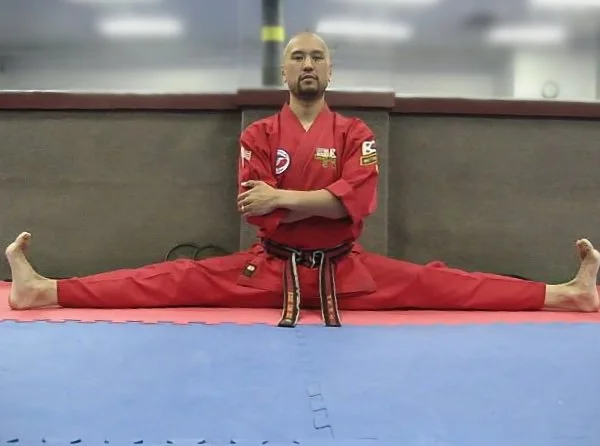
Following our February 2026 seminar on kickboxing pad work, we sat down with Master Eric San José to ask him some follow-up questions and learn more about his background. With over 41 years of martial arts experience, Master San José has a deep understanding of both traditional Taekwondo as well as competitive kickboxing.
ITBA: It was great having you for the seminar! What did you hope the audience walked away with after that session?
Eric San José: I really hoped people found something they liked, especially if they were trying something new. For black belts and school owners, I wanted the session to rejuvenate them and get them excited about training again. Sometimes, after teaching all day, it’s hard to enjoy your own training. I wanted to show them a way to find that spark again by becoming a student themselves.
ITBA: Tell us about your martial arts journey. How did it all start?
Eric San José: Like many people, I was a fan of Bruce Lee, but I really got into it during the ninja craze of the 1980s. I wanted to be like the actor Sho Kosugi. One weekend, I went to a martial arts show at the Nassau Coliseum to see a ninja demonstration. As it turns out, I didn't actually like it, but I saw a Taekwondo demonstration that blew me away. My uncle, who was a black belt in Japan, also encouraged me to join a formal school. I eventually joined the John Chung Taekwondo Institute and later met Grandmaster Tae Sun Kang, who I’ve been with for the last 31 years.
ITBA: How did kickboxing enter the picture for you?
Eric San José: In the late '80s, I sparred with a full-contact fighter named Leonidas Lopez, and he basically whooped me for the entire session. I realized I needed to understand what he was doing, so I started sneaking off to train with him in the Bronx. Sometime later, I started going to Gleason’s Boxing Gym in Brooklyn to really understand how to sit down on my punches. Over time, I just naturally started training fighters and giving demonstrations at kickboxing shows.
ITBA: Coming from the Taekwondo world, let me ask you a few beginner questions about kickboxing. First, explain hand wraps. What’s the purpose?
Eric San José: It protects your wrists and knuckles, of course, but it also acts like a sock. It fills the extra space inside the glove so your hand doesn't slide around. Plus, there’s an important psychological aspect to it—putting on wraps puts you in a competitive mindset and really lets you attack your workouts. In that respect it’s not all that different from putting on your uniform and belt before a traditional Taekwondo class.
ITBA: That makes sense. What about tournaments? How do kickboxing competitions differ from what a TKD black belt might be used to?
Eric San José: In a Taekwondo tournament, you just sign up for a bracket with many other people. Pay the tournament entry fee and you’re in. Kickboxing is more like boxing. You have to know a promoter who matches you with one specific person of the same height, weight, and experience level. It then takes 6 to 8 weeks of preparation for just that one fight.
ITBA: For those who want to try out some of the gear you demonstrated, what should they look for?
Eric San José: Start with Mexican-style hand wraps because they have a bit of stretch and grip your wrist better. For gloves, get 16-ounce boxing gloves. They are heavier, which gives you a better workout so that when you switch to lighter competition gloves, you feel lightning fast. For pads, you don’t need a $500 pair, but avoid the cheapest stuff—you’re probably looking at the $50 to $80 range? I like Ringside and Windy, and Century has plenty of good options.
ITBA: Outside of hitting pads and practicing Taekwondo, what’s your favorite way to stay in shape?
Eric San José: I actually love running for endurance. I try to do 5 to 8 miles on a treadmill three times a week. It’s a great way to disconnect emotionally and mentally. It’s a mental break where I can just let my legs go and get a great cardiovascular workout.
ITBA: What should someone keep in mind if they want to start kickboxing?
Eric San José: Know your goals. What are you trying to do? Do you want to get in shape, learn to fight, or earn a black belt? I always tell people not to skip steps. You should have a solid background in the basics first. Finding a top MMA coach like Ray Longo is great for experts who are looking to polish their technique, but I think more people need someone more like my own personal “Mr. Miyagi”, a boxing trainer named John Davis Sr.. He was a handyman and painter by trade, but also a Golden Gloves Coach of the Year. He was very philosophical and taught me so much about movement and being a good person.
ITBA: How long does it take for someone to be ready for a competition like that?
Eric San José: Ideally, you should already be a black belt. You should have a good track record in point fighting before taking that leap into the higher contact world of kickboxing. Nowadays, people tend to undervalue traditional training. They’re attracted by the idea of getting on TV, but this means we’re seeing a lot less polish—the gracefulness we used to see in fighters isn’t always there anymore.
ITBA: Any final thoughts?
Eric San José: I want everyone to understand that Taekwondo and kickboxing do not have to be separate things—they can support one another. Also… I didn’t give everything away in [this seminar.] There’s a lot more I have to say, stay tuned for my next seminar!
To learn more about Master Eric San José, visit his website at ericsanjosemartialarts.com